For Research Use Only: What the Disclaimer Means and What It Does Not
The research use disclaimer on peptides does not make them legal for self-administration. What the label means, its legal basis and the limits it carries.
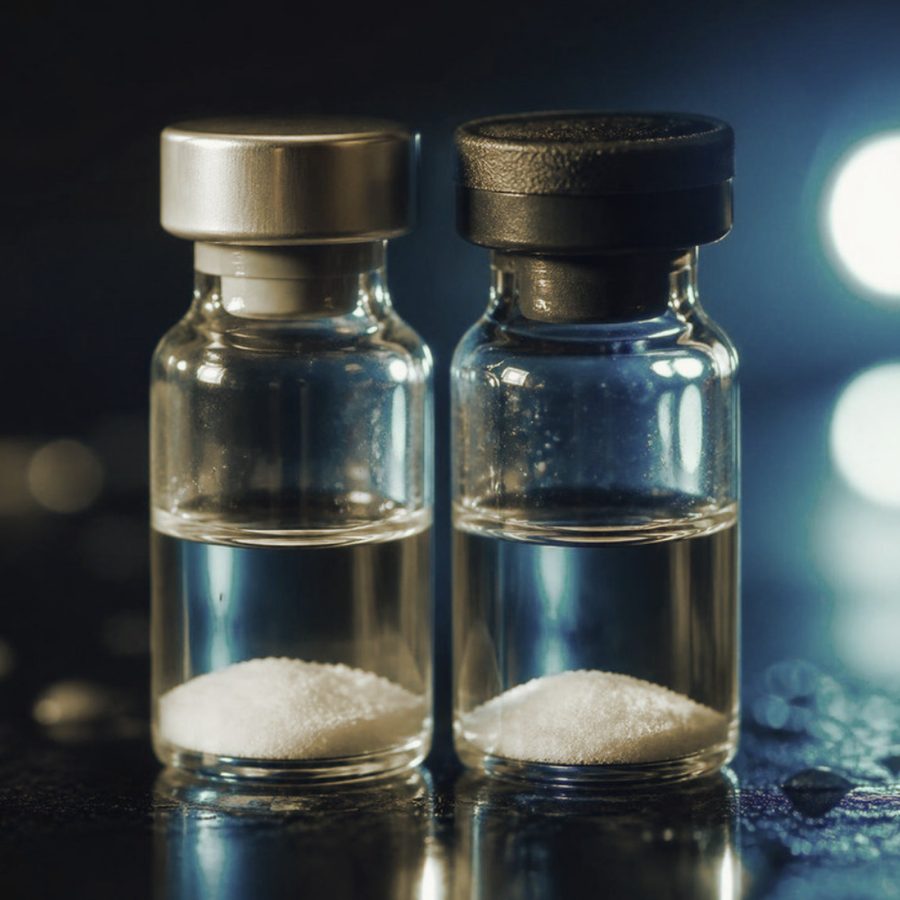
The BPC-157 research use label “for research purposes only” can be seen on almost every product page. It is intended to serve a precise legal purpose for the supplier, and a less considerable purpose for the purchaser. It is essential to know what this label means, as well as what it guarantees and what it cannot guarantee in order to place an order.
What Does "For Research Use Only" Mean?
The Vendor's Legal Strategy
By mentioning BPC-157 as "for research use only" or "not for human consumption", the vendor informs the regulatory authorities that the product, at no point, is marketed as a drug. According to the Federal Food, Drug, and Cosmetic Act (21 U.S.C. § 321(g)(1)), anything used in diagnosis, cure, mitigation, therapy and prevention of any sort of illness becomes a drug. So being labeled as research-use is just an effort to avoid this definition triggered.
What It Does Not Say
The term "Research Use Only" does not mean that the product has already passed the test of regulatory authorities. It does not imply that the product complies with GMP standards. It does not mean that the vendor has undergone inspection by the FDA. There is no such scrutiny with regard to the application of the term by the vendor himself.
- Legal function
- Vendor positions product as non-drug
- Regulatory approval
- None required, none given
- GMP compliance
- Not implied, not required
- Buyer protection
- Minimal, does not override other laws
- FDA position
- Label does not prevent enforcement if health claims are made
Does the Label Protect the Vendor?
When It Works
The research-use label offers some level of protection when no health claims are found on the vendor's website, social media platforms, email sales letters or product labels. The supplier would have maximum legality if it sells BPC-157 in an unmarked bottle marked only as "for research use only," makes no medical claims about the product and a specific demographic of professionals in the research industry that company targets with its advertising.
When It Fails
The labels lose credibility when one and the same supplier uses one or another communication means to make health statements. The FDA sent out warning letters to suppliers who marked products as “for research use only” on a product webpage and made health claims in blog posts, FAQ pages, social media profiles or emails sent to consumers. It’s evident that the FDA considers all information provided by the company but not just its label. Our FDA page provides examples of companies which received warning letters, even though they used research-only labels.
| Vendor Action | Does "Research Use Only" Protect Them? |
|---|---|
| No health claims anywhere on website | Partial protection, lowest enforcement risk |
| Health claims on blog but not product page | No, FDA examines entire website |
| Customer testimonials about healing | No, testimonials are considered claims |
| Social media posts about benefits | No, marketing channel is irrelevant |
| Product named to imply therapeutic use | No, product naming can constitute a claim |
Does the Label Protect the Buyer?
Individual Purchase Risk
The label of research purposes offers adequate protection to the buyer. If you purchase BPC-157 labelled "for research purposes only" and apply it on yourself, the label does not legalize or render the usage safe or approved by any organization. Regardless of the label, the substance is still an illegal drug. It is a safeguard for the vendor alone.
What Buyers Actually Face
Also, the FDA has not gone after individual users of small amounts of research peptides for their own purposes. Enforcement has focused on sellers. However, this is not necessarily a rule. Starting from a customs aspect, goods can be stopped upon arrival regardless of their labeling. The same thing applies to athletes in doping cases. Also, the law does not protect buyers of unapproved medications in case of adverse reactions while using such drugs under the research label.
The Legal Framework Behind the Label
Federal Law
The research-use label occupies a blurry area when it comes to federal regulation. The FD&C Act defines the term drug based on its intended purpose, which in turn is established via the "totality of evidence" that involves labeling, advertisement, marketing, consumer expectations, and distribution. A person or business that sells white powder on a website which offers information about recovery from workouts and joints recovers evidence of a drug's intended usage regardless of the label indicating its research use.
State Laws
State pharmacy boards along with consumer protection agencies also impose additional regulations. Several states have specific laws prohibiting the sale of drugs that have not been approved. The research use label does not eliminate the state law requirements that apply. What may be permissible under federal law often varies by jurisdiction and based on what has been and is being claimed for the product.
How Legitimate Research Chemical Suppliers Differ
True Research Suppliers
Businesses that authentically offer chemical products for research purposes generally have institutional clients (universities, medical institutions, pharmaceutical companies), ask for a written purchase request to be made, check the institutional status, send analytical reports along with every order, and do not have retail websites providing health information for customers. These companies function in a different environment and are not competitors of peptide suppliers on the consumer market.
Consumer Peptide Vendors
Most companies selling BPC-157 online are consumer-facing businesses. They accept credit cards from individuals, ship to residential addresses, and operate websites that discuss the substance's effects on the human body. The research-use label on these sites serves a different function than it does for institutional suppliers. Whether the FDA views these vendors as legitimate research suppliers or as drug sellers using a label to avoid regulation is a judgment call the agency makes case by case.
FAQ - Research Use Disclaimers
Does "for research use only" mean the product is legal to buy?
Not exactly. The term indicates that the supplier is not promoting it as a medication. Purchasing a non-authorized product for personal consumption falls into a legal no man’s land. While the purchaser is not clearly impeded in such actions in most instances, the substance itself remains unregulated.
Can I cite the research-use label if questioned by authorities?
The label represents the assertion of the wholesaler and not you. If the customs authorities, the police authorities or anti-doping authorities doubt your possession of BPC-157, the label supplied by the wholesaler will not work as a defense in your favor. The purpose you gave and the facts will weigh more.
Do research-use products have to meet quality standards?
Research-use products are not subjected to FDA oversight in terms of ensuring quality, purity, and safety. There are no mandatory tests, no need to conform to Good Manufacturing Practices, and no obligation for batch recalls. Some producers may issue certificates of analysis voluntarily, although these certificates are not validated by any regulatory authority.
Why do vendors use this label instead of just selling the product?
If the research-use label were to be stripped from a vendor selling BPC-157, then that vendor would be marketing an unapproved medication without making any efforts to differentiate it from the definition of a medication. Basically, the research-use label is a tactic used to limit the risk of prosecution by law enforcement officials; even with the label in place, however, the risk in question still remains.
Has the FDA ever accepted the research-use label as a defense?
The FDA has rejected the research-use designation as a defense in its warning letters when there is other proof of a drug's intended purpose. In those letters, it is said that that health claims available online take precedence over product labels. Up until this point, no public law enforcement action has affirmed that such a label can serve as a complete defense against both civil and criminal prosecution.
Compare the current picks
Prices, sizes and ratings side by side, updated when the merchant pages change.
Check legal status