BPC-157
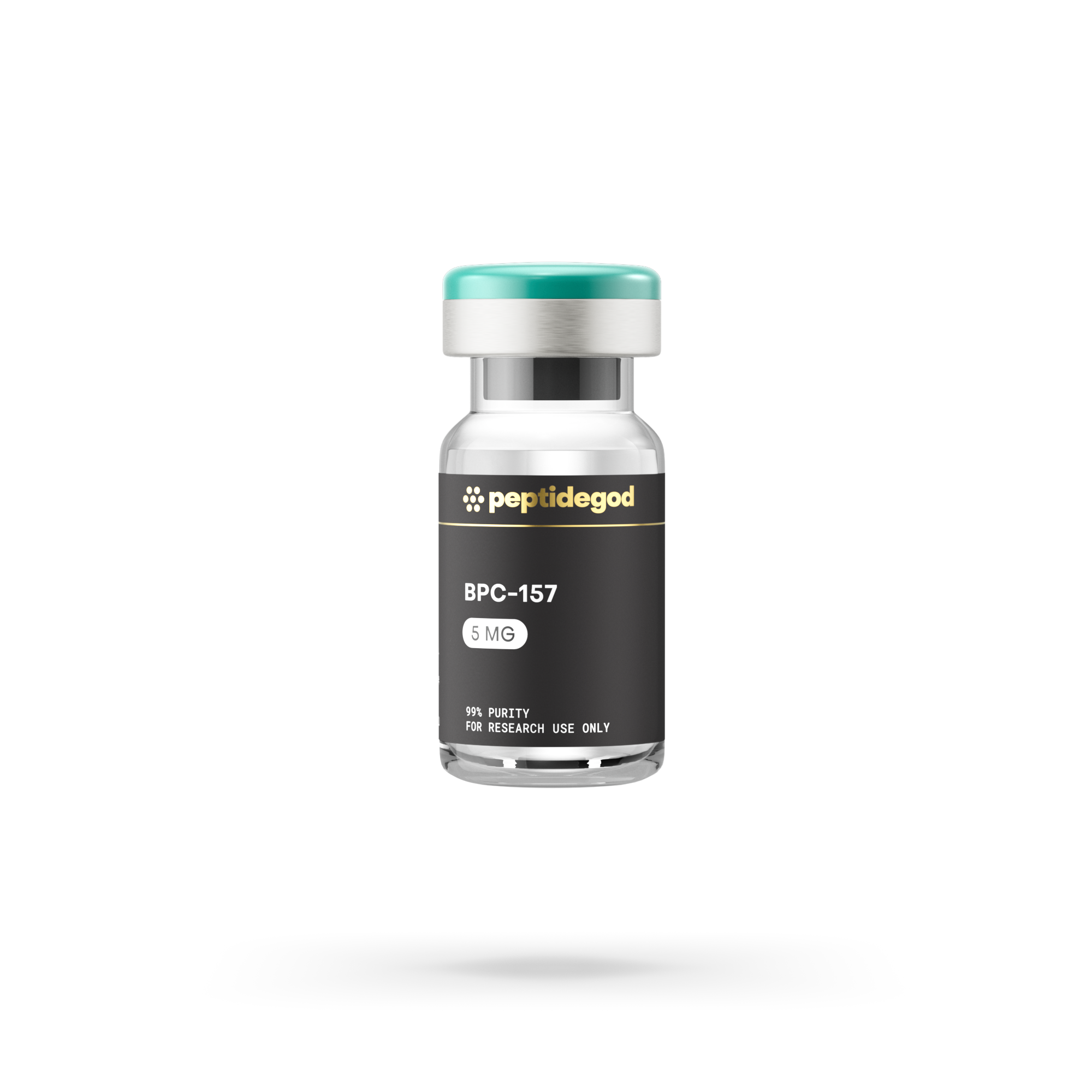
BPC-157 lyophilized vial from Peptide God, priced at $34.95.
Verified BPC-157 sources in 2026. Research peptide vendors, compounding pharmacies and telehealth options with legal context, COA data and pricing.

We look for a batch-level certificate of analysis published by the merchant.
Purity percentage and milligrams per vial as stated on the product page.
Clear research-use labeling, lot numbers and storage instructions.
Vials compared on price per milligram, not on sticker price.

BPC-157 lyophilized vial from Peptide God, priced at $34.95.

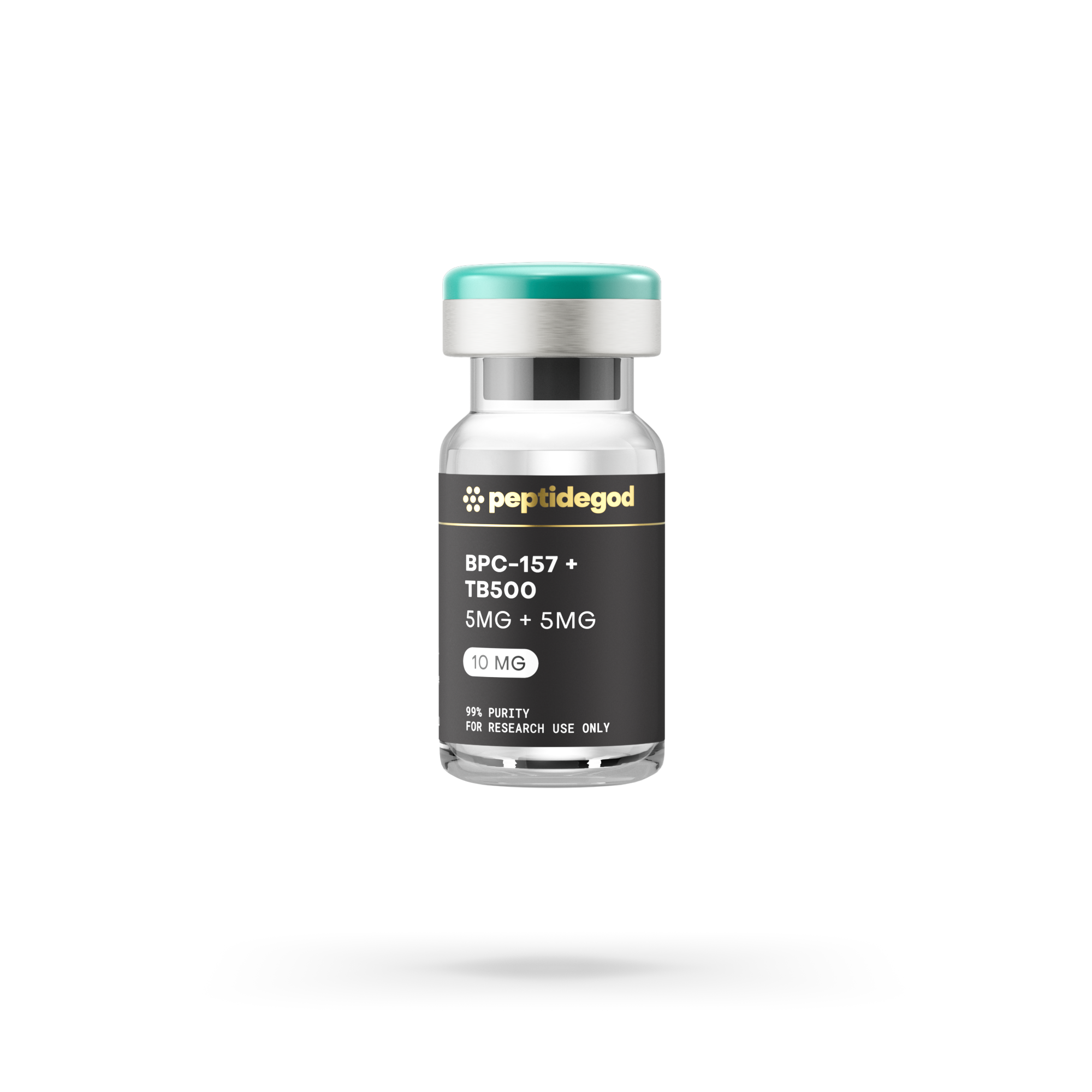
Pre-mixed BPC-157 and TB-500 blend from PeptideGod. One vial for the wolverine stack.
| Product | Price | Brand | Form | Status | Price |
|---|---|---|---|---|---|
| Peptide God BPC-157 | $34.95 | Peptide God | Lyophilized vial | In stock | $34.95 |
| Peptide God BPC-157 + TB500 | $59.95 | - | Lyophilized blend | - | $59.95 |
In 2026, in the USA, there are three ways to buy BPC-157: research peptide suppliers, telehealth clinics with their manufacturing pharmacy, or through a regular pharmacy. All of these have their own conditions, risks, and pricing. This page compares the three purchase channels based on the reliable information obtained from different websites of suppliers and clinics.
There are three divisions in the BPC-157 market. Research peptide suppliers can offer it as a laboratory chemical and hence without prescription. Online healthcare providers employ physicians to prescribe it and provide the product through compounding pharmacies. Access to a direct compounding pharmacy, on the other hand, necessitates a prescription from one's own physician. Pricing, legal validity and quality of the compound are also different for each of the three market divisions.
Research peptide vendors sell BPC-157 as a lyophilized powder or pre-mixed solution. Products are labeled "for research use only" and carry disclaimers about not being intended for human consumption. No prescription is needed. No medical consultation is required. Payment is typically by credit card or cryptocurrency. Shipping is domestic within the US.
Not all vendors of research peptide are the same. The factors that differentiate them include the publication of a CoA on the product page, whether or not CoA is lot-specific with the HPLC data presented, if the vendor mentions the vial size measured in milligrams, whether third-party testing report exists, and if the pricing is transparent. Also, a vendor that provides CoA that is lot-specific before any purchase offers more credible quality proof than one that does not.
When you buy products from a vendor offering research peptides, you are following the least regulated path. The vendor refers to its product as a research chemical and not as a medicine. There is absolutely no medical supervision or prescription and no requirement for quality assurance. The FDA does not go after individuals, but the product is still considered an unapproved therapy. JButton: Read research use disclaimer guide to find out what the label means and what you aren’t protected from.
Telehealth peptide clinics provide BPC-157 under the care of licensed physicians. You fill in a medical intake form that is reviewed by a qualified doctor who will authorize your physician to prescribe a therapeutic dose of BPC-157. An affiliated compounding pharmacy will create the product for you which will arrive at your place of residence. The consultation with your physician is quite costly too.
Ensure that the doctor is permitted to operate in your area. Inquire about which compounding pharmacy did the preparation of the product. Inquire whether the pharmacy is 503A or 503B registered. Request further information about the COA or batch testing. A valid telehealth process will respond to such inquiries. Clinics that do not reveal the compounding pharmacy or do not disclose the testing information are less compliant.
The telehealth model provides the strongest legal position for buyers because the transaction occurs within a physician-patient relationship. However, the compounding pharmacy still faces the same FDA rules about BPC-157's eligibility as a bulk drug substance. The PCAC voted 8-6 in July 2026 to recommend adding BPC-157 to the 503A bulks list, but the FDA has not yet acted. Our prescription page covers the details.
If you have a physician willing to prescribe BPC-157, you can take the prescription to a compounding pharmacy that prepares peptide formulations. The pharmacy compounds the product to the physician's specifications. This route requires the most effort from the buyer: finding a willing prescriber, identifying a compounding pharmacy that works with BPC-157 and coordinating between them.
The compounding pharmacy takes on regulatory risk by using BPC-157 as a bulk substance before it is on the 503A bulks list. The FDA has issued warning letters to compounding pharmacies for this specific violation. Our compounding rules page and FDA page cover the enforcement record.
| Factor | Research Vendor | Telehealth Clinic | Compounding Pharmacy |
|---|---|---|---|
| Prescription needed | No | Consultation | Yes |
| Price (BPC-157 per vial) | $35-$45 | $100-$300+ | Varies |
| Physician oversight | None | Yes | Via prescriber |
| Quality testing | Vendor-reported COA | Pharmacy standards | Pharmacy standards |
| Legal risk for buyer | Grey zone | Lowest | Low (with prescription) |
| Convenience | Highest | Moderate | Lowest |
| FDA regulatory risk | On vendor | On clinic + pharmacy | On pharmacy |
A certificate of analysis must include its HPLC purity report along with its molecular weight and product's lot number. In this regard, the specific COAs are better than generic ones. A COA available on the product page guarantees greater transparency than one to be requested after the order. A COA is not a COA: it is important to pay attention to the name of the testing laboratory and whether the results correspond to the product's specifications.
In some cases, the price per vial is listed by the vendor without disclosing the milligrams. This makes it impossible to determine the cost accurately. How can you compare a $35 vial for an unknown number of milligrams to a $43 vial containing 10 mg of the drug? Always check the milligram amount before making any comparisons because the cost per mg is the only reliable measure of price comparison.
BPC-157 in lyophilized form is safe at room temperature during transit but requires cool, dark conditions for storage after arrival. Vendors shipping the substance with ice packs use better techniques. Check how long it takes for the vendor to ship the materials: faster shipping means lesser time in transit. All three methods ship materials only within the US and avoid customs risks.
Vendors of research peptides provide very low rates per vial ranging from $35 to $45. Telehealth clinics add a consultation fee between $100-$250 apart from product cost. The compounding pharmacy’s rates differ from one another while the cheapest rate is the least regulated.
The telehealth clinic approach offers a highly regulated service: there is a physician’s supervision, a source of pharmacy-manufactured product and the doctor-patient relation. Conversely, the research supplier method offers no medical supervision and no quality control. There is no option to solve the main problem: BPC-157 is not authorized by FDA.
BPC-157 raises complex questions about legality. There is nothing illegal about someone buying it. This particular compound is not a drug that can be classified as being controlled. Still, it is not classified as a drug that has been approved as well. The best way through a legal implementation may be a doctor’s prescription and a compounding pharmacy; however, even this path is subject to FDA scrutiny. Our article on legal status page contains the entire story.
Domestic. There is a chance of inspection by customs and being held up at the FDA for all international orders. The fleet for domestic shipping does not have to deal with the risks involved. All three channels mentioned on this page are available in the US territory.
Make sure that the Certificate of Analysis is applicable to that specific product and was issued prior to purchase. Make sure to check the testing facility by yourself. Check that the company has a US business registration. Read our product reviews for individual evaluations: PeptideGod, Real Peptides.